



The shifts that look set to outlast the year, and what each one asks of the people specifying materials.
Halfway through 2019, the landscape architecture conversation is moving as quickly as any other field. Not everything currently being discussed will still matter in a decade. These five look durable, because each responds to a pressure that is not going away.
Designing for a climate that will not hold still
Sustainability has been part of mainstream practice for years. What has changed is the emphasis. Mitigation alone is no longer the whole brief, and adaptation, designing for conditions that are already shifting, has moved to the centre of the work.
For landscape architects this operates at two scales at once. There is the technical response on a given site, and there is the slower work of explaining to clients and communities why environmentally responsible material choices are worth what they cost.
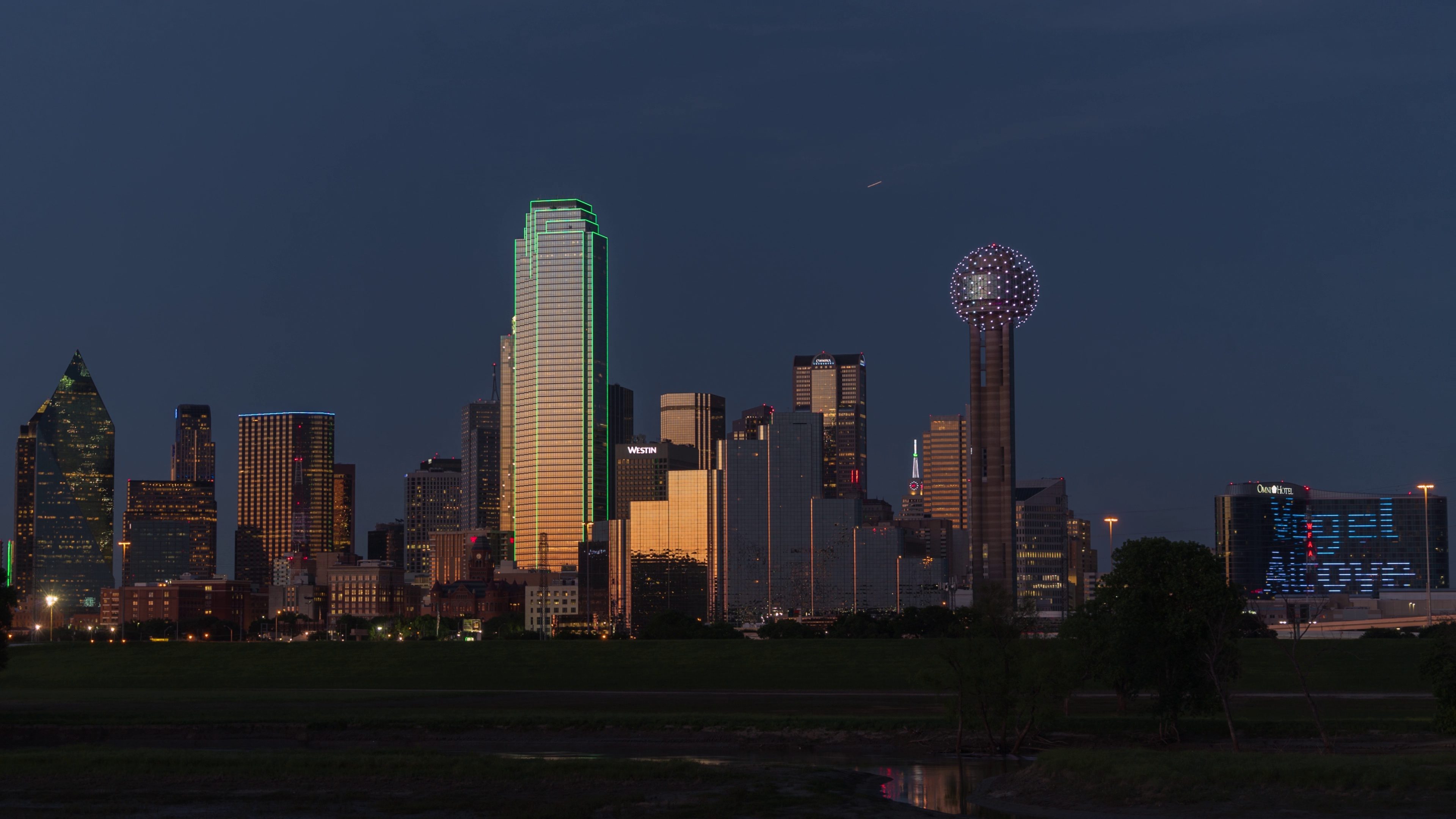
The last decade has produced a run of design competitions built around integrating climate change into city and waterfront planning, and funding for that work continues to grow. Water has been the recurring subject. Population growth is pushing development into places with difficult weather, which puts the burden back on design: houses in dry climates need serious water collection strategies, while coastal sites facing torrential rainfall need drainage that has been engineered rather than assumed.
Designing for everyone who uses the space
More than half the world's population now lives in cities, around 4.2 billion people, and density keeps rising. That makes inclusive design a practical requirement rather than an aspiration, and it is increasingly written into what clients ask for.

Accessibility standards are the visible edge of this. ADA compliance drives a great deal of work in the United States, with equivalent codes applying elsewhere, and older buildings are being reworked to meet them alongside modern environmental expectations. The wider challenge is harder: designing landscapes that hold environmental, social and economic value simultaneously, so that a rising standard of living reaches everyone using the space rather than a narrow slice of it.
Beauty measured against the setting, not the budget
Ecology and aesthetics are not competing priorities, though the way beauty gets judged has shifted.
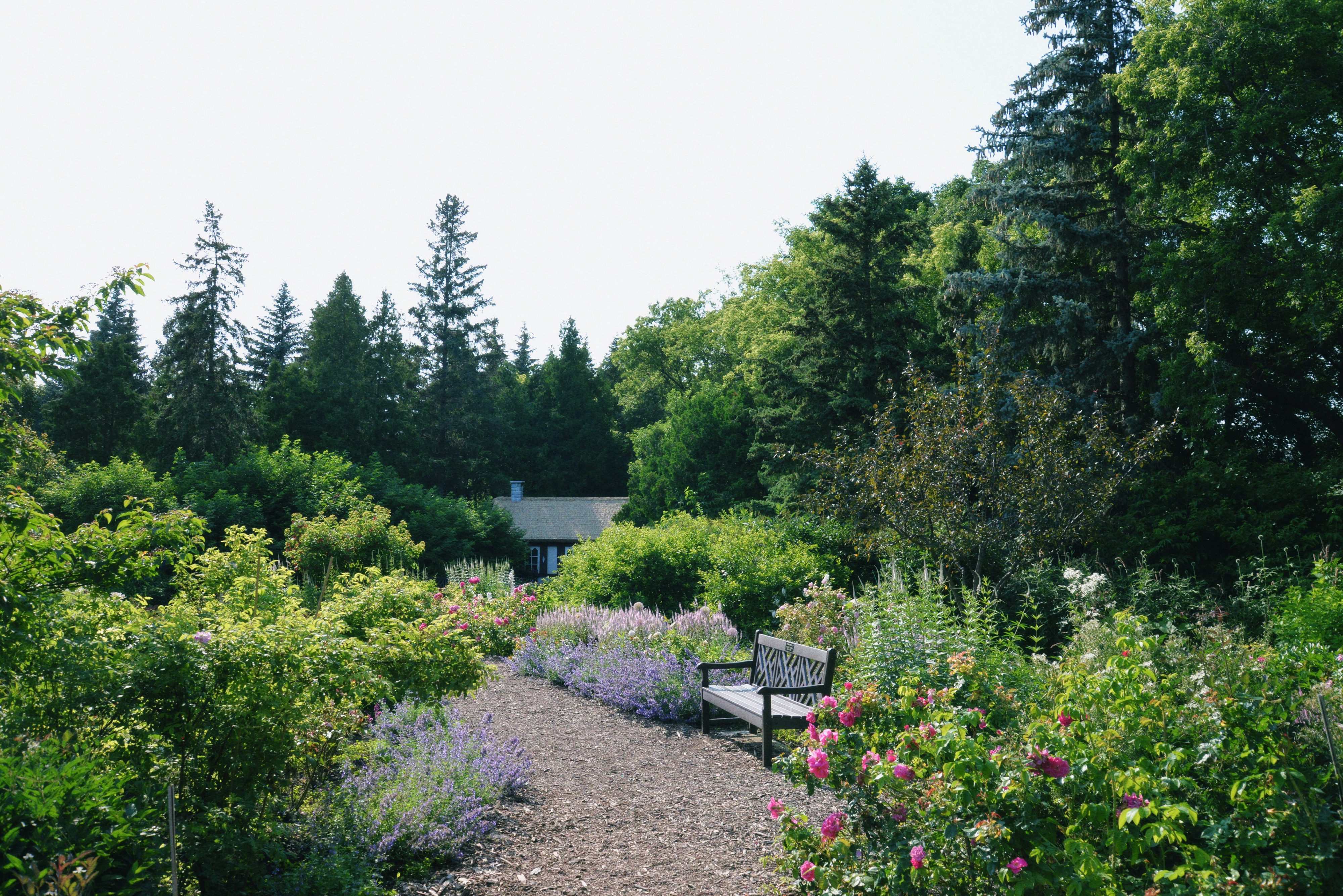
The size of a garden or the presence of a pool no longer measures much. A flawless lawn in a climate that cannot naturally support one now reads as a liability, expensive to maintain and out of step with its surroundings. The stronger position takes its cues from the local environment instead.
That does not mean building less. It means intervening in a way that reveals what is already there rather than overwriting it. Stone sculpture set within a native planting scheme is the sort of move that works, because it earns its place without demanding that the landscape be reorganised around it. The skill lies in finding where the balance sits.
Bringing planting back into dense cities
Rapid urbanisation puts pressure on the environment, and landscape architecture is one of the few disciplines positioned to relieve it. Some of the answers are unglamorous and effective, such as capturing water from city fountains for irrigation.
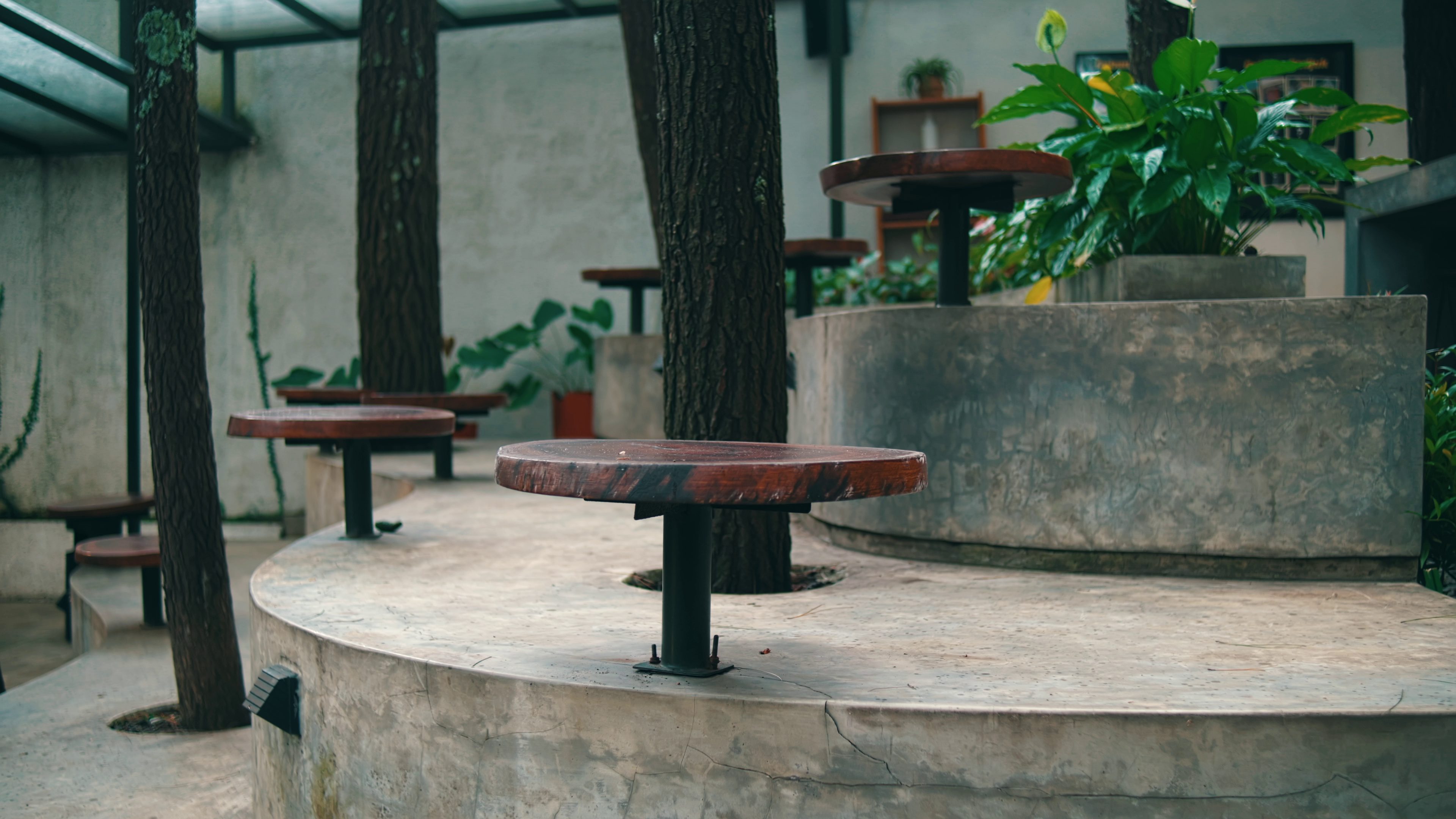
Others are architectural. Green walls, indoor gardens and roof gardens turn a building envelope into planted surface, contributing to urban greening while improving the building itself. As city populations grow, so does the appetite for this. People living in apartments still want somewhere to garden, and roof and indoor schemes are how that gets delivered at density.
Commercial developments are following. A shopping centre that incorporates planting, playgrounds and water play changes what a visit feels like, giving families a reason to stay rather than pass through.
Materials that carry their own credentials
None of the above holds up if the materials undercut it. Natural and earthy materials have returned to favour for exactly this reason, with textured stone, exposed concrete and brick doing aesthetic and environmental work at the same time.
Jonite's reinforced stone gratings sit in that category. Made from roughly 95% natural aggregates with at least 30% recycled content, containing less than 1% silica and steel-reinforced for load-bearing use, they answer the specification question and the sustainability question together rather than trading one against the other.
Fabrication has moved on alongside the materials. Techniques that were confined to 3D modelling software a few years ago now reach the site directly. Water features, custom furniture, walls and staircases are cut on multi-axis machines and carved into patterns that would once have been impractical, and the ability to visualise a component before it is made has changed how confidently clients commit to unusual ideas.
What carries forward
Technology is running through all of this in ways that are easy to overlook, from smart lighting in planted courtyards to the outdoor kitchens and fire pits now expected in residential schemes. None of it is transformative on its own. Taken together, it points the same direction as the five trends above, towards places that are more comfortable and more considered without asking anyone to give up beauty or affordability to get there.


