



Specifying materials that earn their place, and last exactly as long as they need to.
Landscape architects sit at the point where design intent meets environmental consequence. Every specification decision, from the paving underfoot to the grate over a drainage channel, carries a footprint in extraction, manufacture, transport and eventual disposal. Sustainability and climate adaptation have moved from differentiator to baseline expectation, and the products that make the specification are being asked to prove themselves.
The goal is not simply to reduce harm. It is to strike a working harmony between green life and built form, so that a project improves the quality of the space it occupies rather than merely occupying it responsibly.
What environmentally sustainable design actually means
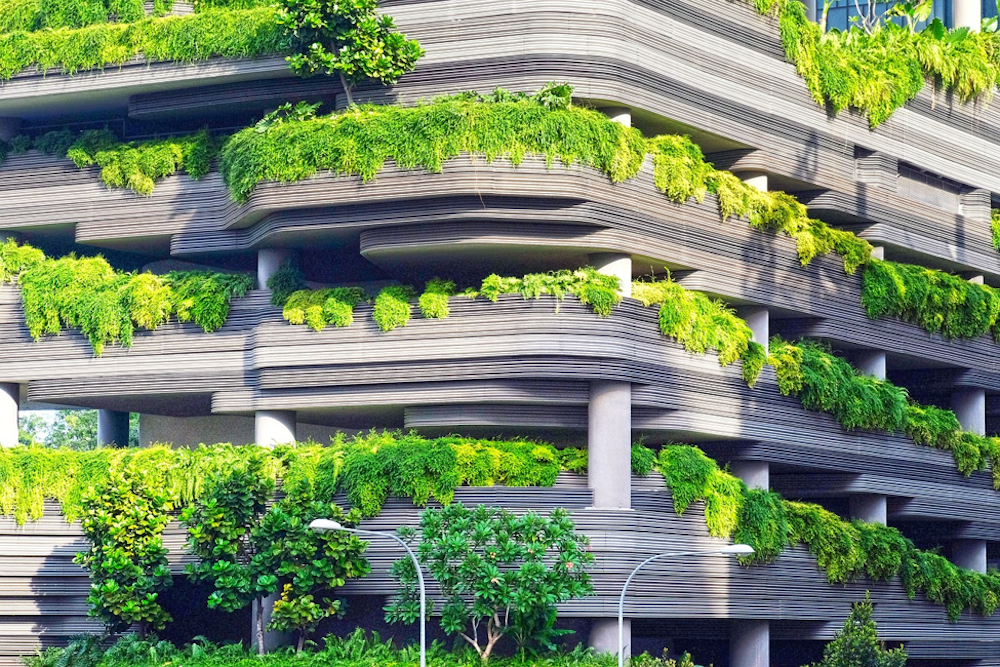
Environmentally sustainable design, sometimes called eco-design or environmentally conscious design, is the practice of designing objects, environments and services in line with the principles of ecological sustainability. Its core idea is straightforward: eliminate wastefulness and minimise environmental impact across the whole life of what gets built.
In practice, most designers work through a consistent set of questions when scoping a project. They include the following:
Low-impact materials
Products with a high proportion of recycled content, or materials sourced close to the site so that transport does not quietly undo the gains made elsewhere.
Energy in manufacture
The processes behind a material matter as much as the material itself. Understanding how something is made, and how much energy that takes, often separates two products that look identical on a sample board.
Longevity or recyclability
Durable materials that need minimal intervention over their service life, or materials that can be reused and recycled when design sensibilities and surrounding environments inevitably change.
Recognised standards
Several organisations now maintain rigorous product certification schemes and searchable directories. LEED, administered by the US Green Building Council, is the most widely referenced internationally. BREEAM, developed in the UK by BRE, serves a similar function. Working from these directories, or asking manufacturers directly for their certifications, saves considerable time chasing down a material's sustainability credentials.
None of this makes for dull specification. Material designers have spent years proving that a product can be highly sustainable and visually compelling at once. Jonite's reinforced stone grates and panels are made from roughly 95% natural aggregates with at least 30% recycled content, contain less than 1% silica, and are steel-reinforced for load-bearing applications. The research team continues to work on raising the recycled proportion further.
What makes architectural products green
A green product will hold at least one of the following characteristics, and the strongest hold several.
Durability
A long, useful service life with minimal maintenance.
Recycled or reusable content
Material diverted from waste streams and returned to use.
Naturally occurring composition
Soil, adobe, timber, cork, bamboo, straw and sawdust all qualify.
Thermal performance
Better insulation, and less energy spent on heating and cooling as a result.
Resource efficiency
Measurable reductions in energy and water consumption in use.
Cost efficiency
Lower whole-life construction and maintenance costs, which is often what makes a sustainable choice survive value engineering.
Materials carrying the weight
These are the mainstays of ecologically minded builds, and their use contributes towards certification under schemes such as LEED.
Timber
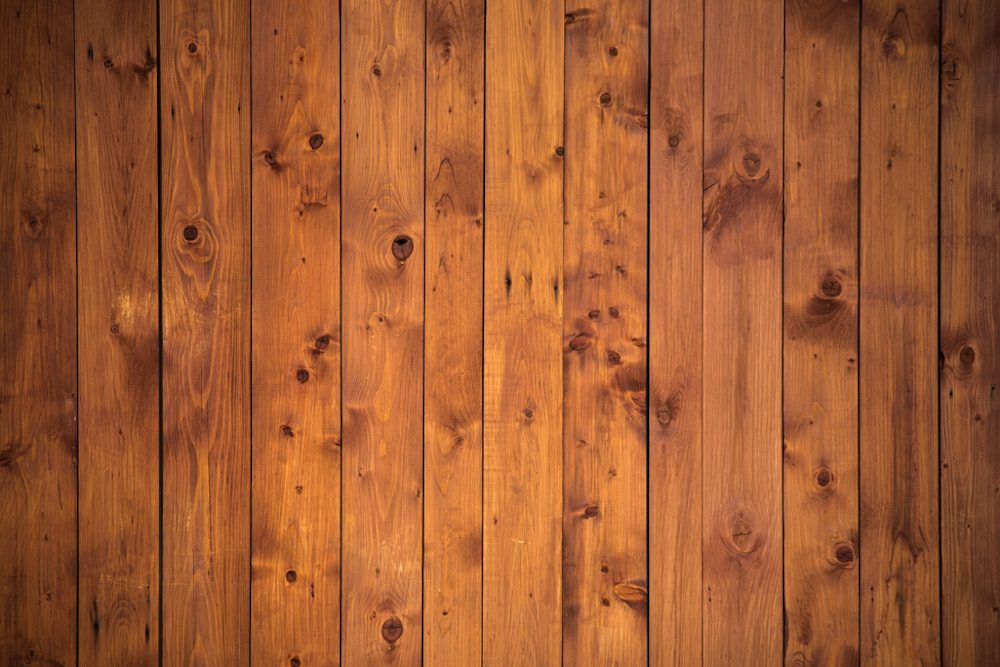
Wood requires far less energy-intensive processing than most structural materials, and is renewable when sourced from carefully managed forestry. It serves well for patio decks, house structures, gazebos and cladding.
Reinforced stone composites
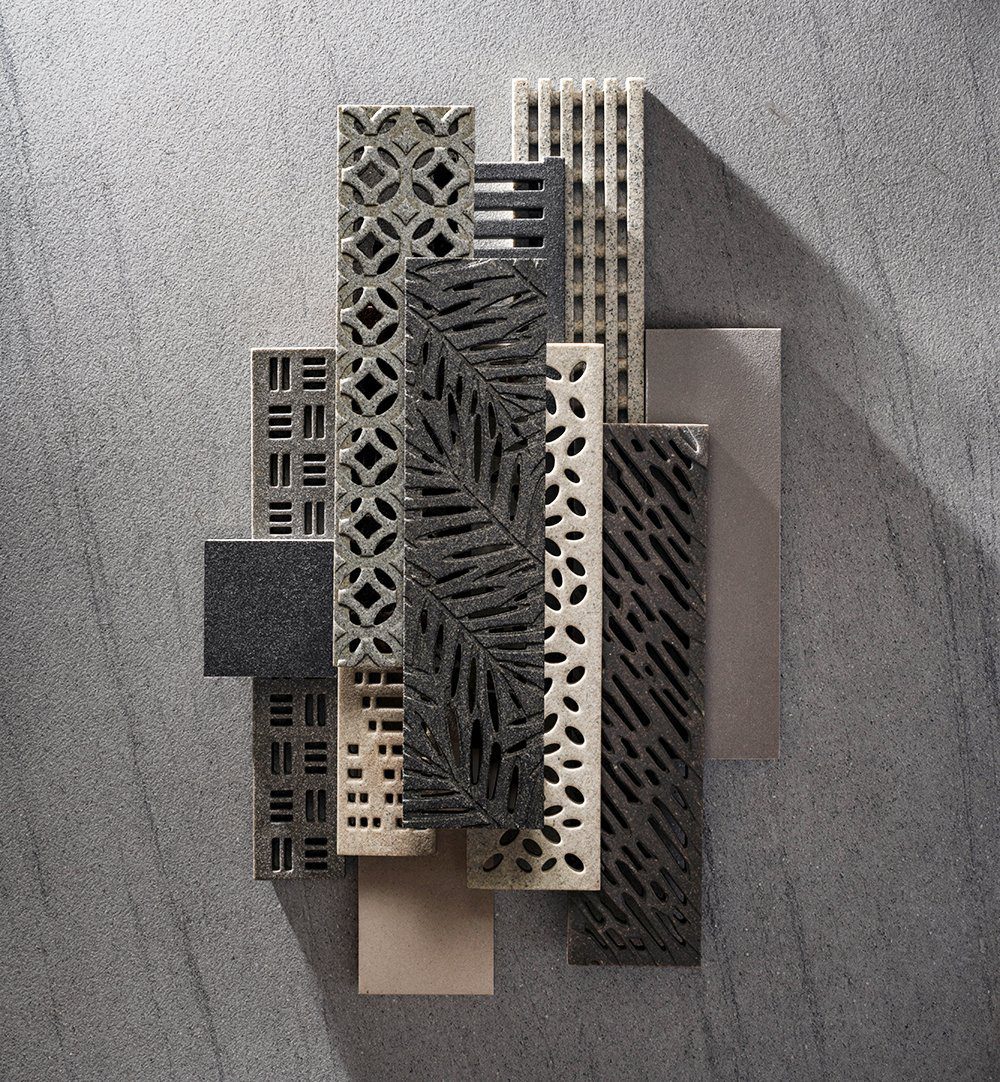
Naturally occurring stone aggregates are combined with hybrid polymers and steel reinforcement to produce a material with the appearance of stone and the tensile strength to take load. Jonite's grates and panels fall into this category, and are used for channel and sump grates, tree grates, pool grates and stone furniture.
Recycled plastics
Rather than milling for new components, ground recycled plastics and waste are being incorporated into concrete. The result reduces greenhouse gas emissions, cuts weight and the transport energy that follows from it, and diverts material from fast-filling landfill.
Bamboo
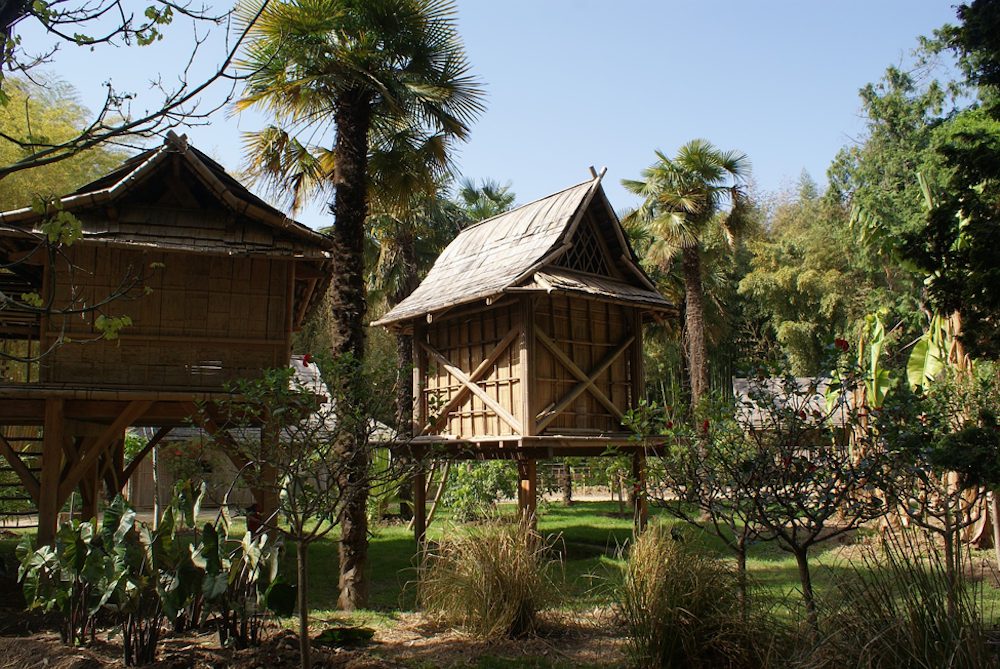
One of the fastest-growing renewable resources available, sturdy and light. It is increasingly used as an alternative to concrete and rebar construction, particularly in locations that are difficult to reach with heavy materials.
Rammed earth
An age-old technique given new life by the return to sustainable building. Modern machinery tamps earth tightly into formwork, reinforced with bamboo, to create walls with characteristics close to concrete.
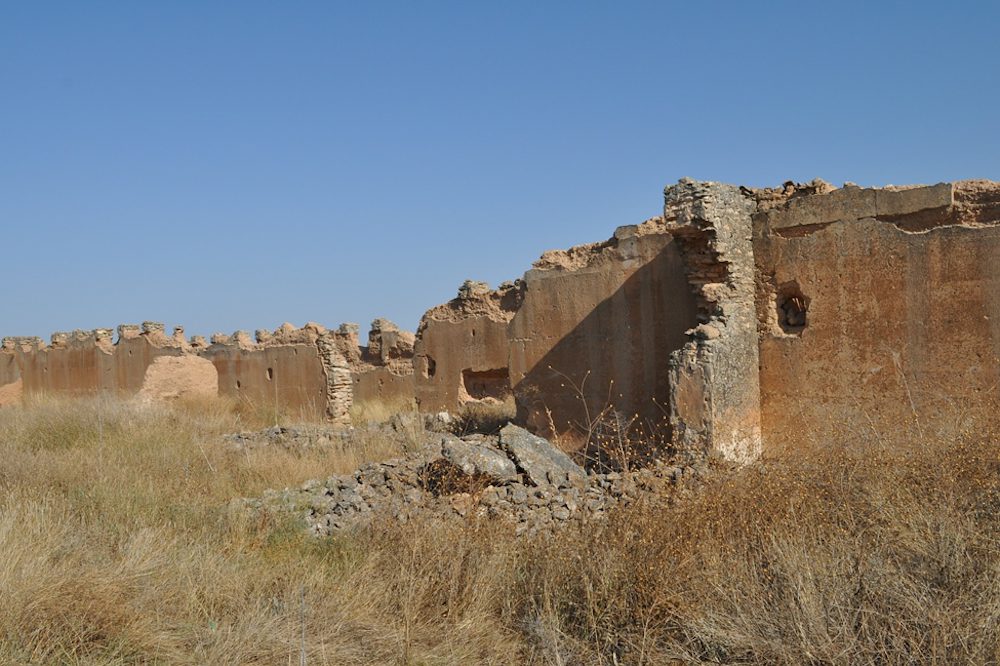
Alternatives to conventional concrete
TimberCrete, AshCrete, Ferrock and HempCrete each use timber waste, coal combustion by-products, steel dust or hemp to produce concrete-like materials suitable for building.
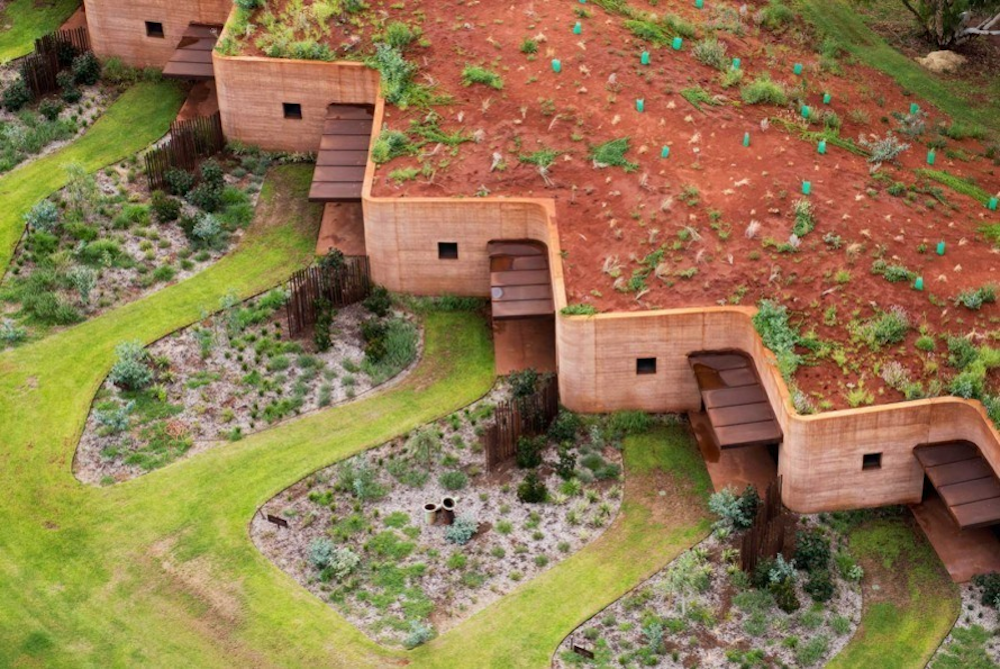
Where to verify a sustainability claim
With a large field of suppliers and no shortage of marketing language, choosing between materials can consume time that project schedules do not allow. Several established directories certify and list products against published standards, each with its own ratings.
Sustainable design in practice
Outstanding environmentally sustainable design tends to combine several green practices at once, while remaining a place people actually want to be. Here are some of our favourites.
Bank of America Tower, New York
This 55-storey tower runs its own on-site power generation plant producing 4.6 megawatts of clean energy. Waterless urinals and low-flow fittings reduce water demand, LED lighting and carbon dioxide monitors manage the interior environment, and the building was the first skyscraper to achieve a LEED Platinum rating. Its façade has since become a fixture of the Manhattan skyline.
Products behind it: water-saving fittings, LED lighting, on-site power generation.
The Crystal, London
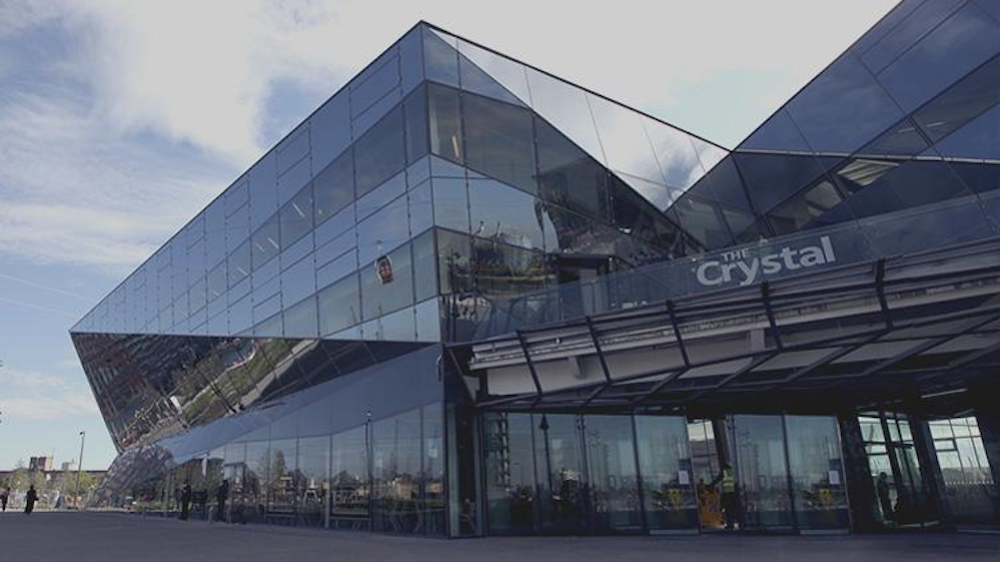
Billed as the world's most sustainable event venue, The Crystal reaches around 90% water self-sufficiency and combines solar and thermal roof panels with high-performance insulated glazing. It holds both LEED Platinum and BREEAM Outstanding certification.
Products behind it: solar and thermal roof panels, high-performance glazing and insulation.
The Change Initiative, Dubai
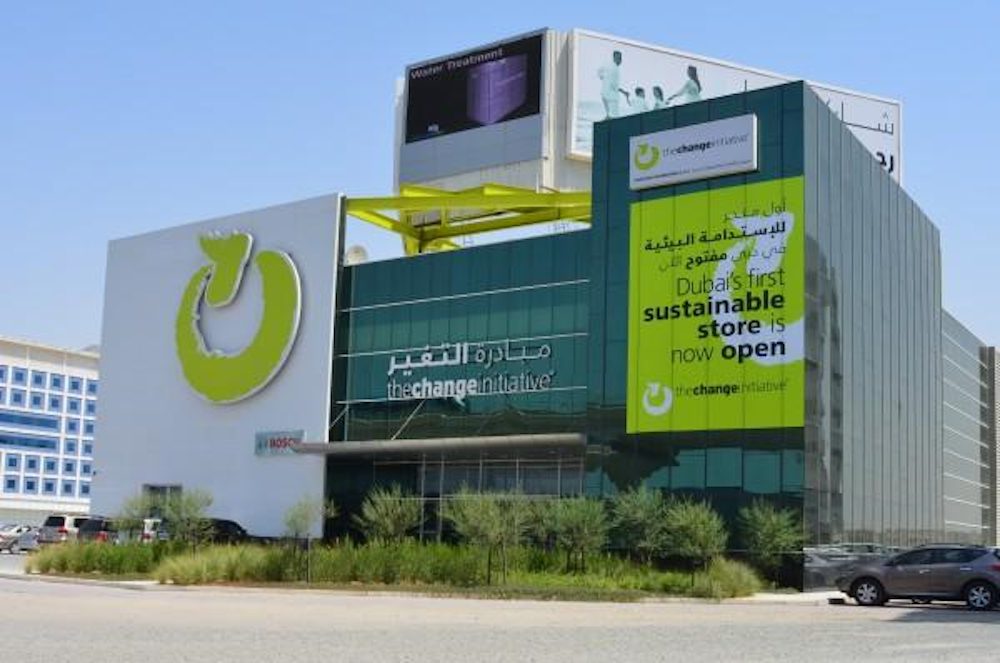
When this commercial building opened in 2013 it scored 107 of a possible 110 LEED points, the highest rating achieved anywhere at the time. A retail downturn has since closed its retail arm, and the building has been restructured around the distribution of eco-products.
Products behind it: vacuum membrane water filtration, solar panels, reclaimed timber flooring reused as wall panelling, skylight tubes distributing daylight deep into the plan.
Shanghai Tower, Shanghai
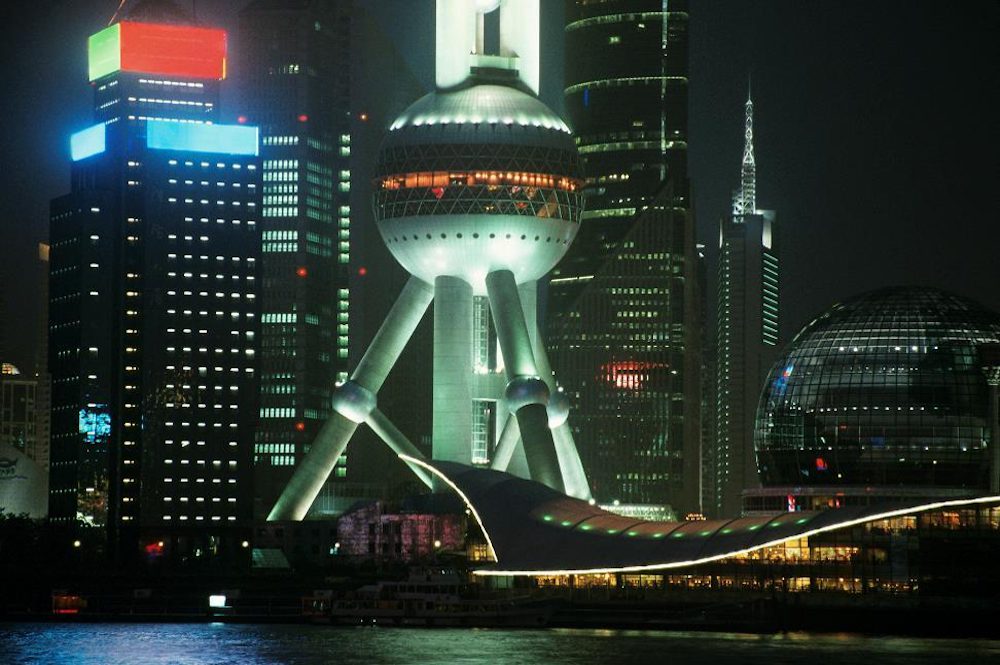
The second tallest building in the world, Shanghai Tower was given its distinctive twist specifically to reduce wind load. A double-skin façade adds insulation, and the tower is crowned with sky gardens, wind turbines, rainwater harvesting and blackwater treatment. It holds LEED Platinum certification.
Products behind it: greywater and stormwater systems, variable air volume air conditioning, daylight sensors, vertically mounted wind turbines.
Khoo Teck Puat Hospital, Singapore
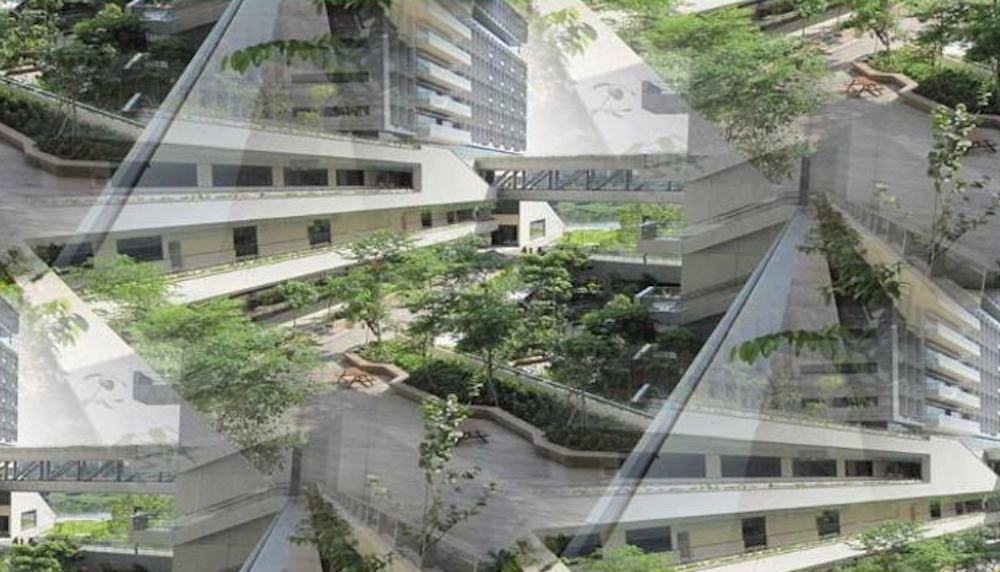
Khoo Teck Puat Hospital was designed around the belief that a green and peaceful environment supports recovery. A solar water-heating system and a plan that channels natural wind through the compound bring energy consumption to roughly 27% below that of a conventional hospital.
Products behind it: solar water heating, roof gardens throughout the complex, drip-filtered planting on privacy walls to outdoor bathrooms, terraced walkways that improve ventilation and reduce reliance on air conditioning.
Designing for targeted durability, not immortality
Architects have long specified for permanence, choosing materials expected to outlast everything around them. Sustainable design challenges that instinct, and asks instead for targeted durability: a service life matched to the actual requirement.
There are two reasons for the shift. Designing for immortality tends to produce overdesign, with more material and more energy committed than the application ever needed. Products that survive well past their useful life also create disposal problems that were never planned for.
This is a conversation worth having early with the engineering team, so that neither budget nor embodied energy is spent chasing longevity nobody asked for. Manufacturers can usually help here. Jonite's research team works directly with specifiers to develop custom products calibrated to their intended use.
Specifying with confidence
Sustainable design standards and project guides are being developed at pace by private organisations, governments and educational institutions, and the body of practice around sustainability science continues to grow with them. Trade shows remain one of the more efficient ways to see a year of material innovation in a single visit.
The underlying discipline stays constant. Ask what a product is made of, how it was made, how long it genuinely needs to last, and who has verified the answer. Materials that hold up to those four questions tend to hold up on site as well.
Interested in reinforced stone grates and panels for your next project? Get in touch with our team to talk through the options.


