



Picture a stretch of barren ground. Then picture the same site with a laid walkway across it, seating placed where people would naturally stop, a pergola throwing shade, semi-open spaces working between the two, and carved rails resolving the edges. Both are the same piece of land. Only one of them is a place.
Now take a landscape that has genuinely moved someone, and imagine it never encountered a designer at all. It would still be land. It would not hold the same value.
The same test applies to a road. Treated purely as a surface for vehicles and pedestrians to cross, it does its job. Nothing about it invites anyone to stay, look up, or notice where they are.
That gap between land and place is where landscape architecture operates, and the profession is easy to overlook precisely because it works best when the result feels inevitable.
What landscape architecture actually covers
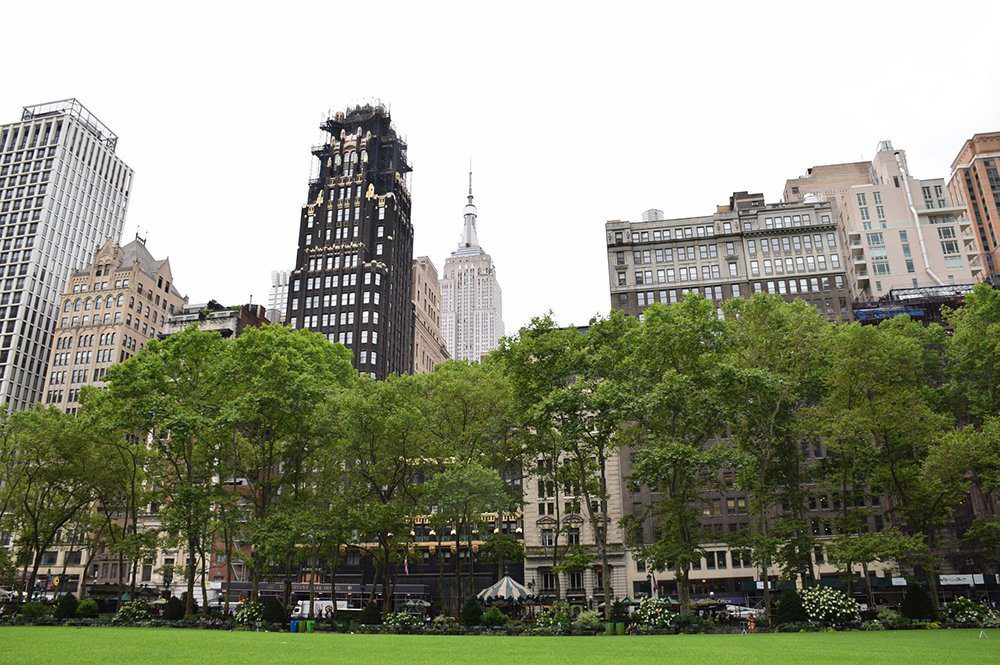
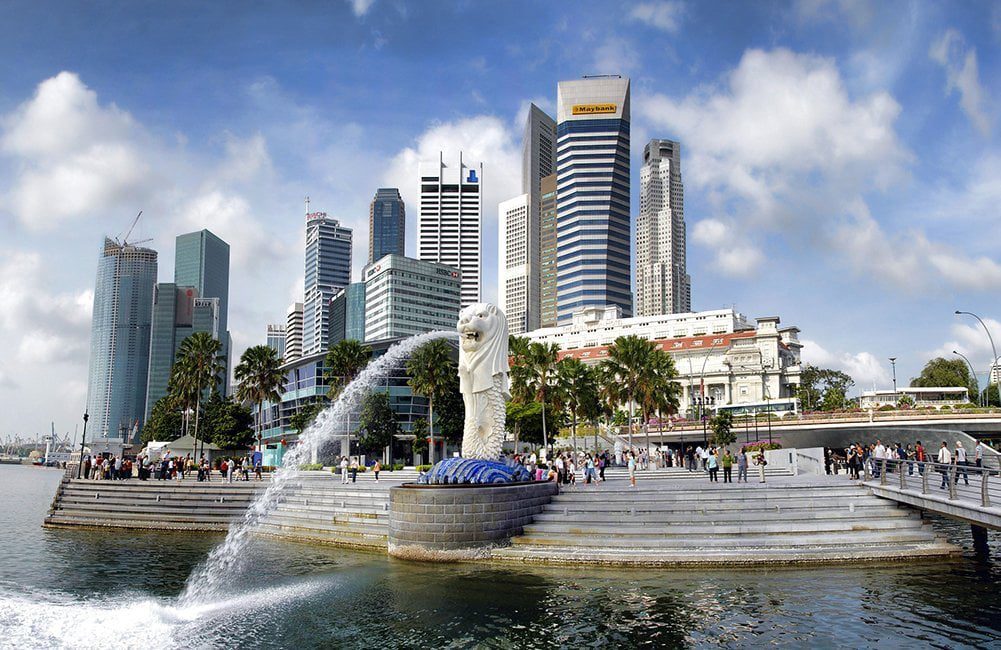
The scope is broader than the word suggests. Central Park in New York, Bryant Park a few blocks south, Gardens by the Bay in Singapore and the High Line are all landscape projects, and so is a downtown square, a local park, a green roof and a domestic back garden.
Understood most usefully, the discipline strikes a balance between built and natural form, drawing on environmental science, art and ecology at once. It also extends well past the conventional idea of design and planting. Landscape architects restore endangered wetlands, remove contaminants from stormwater before it reaches a watercourse, and integrate perimeter security into public buildings using level changes, planting and street furniture rather than visible barriers.
Design for people, not just for systems
A common assumption holds that the field is preoccupied with art and science and indifferent to how people actually live. The opposite is true, and the ordinary user is the point of the exercise.
The work is a formal process of study, design and development, structured around intervention through planning, design and management, with art and science as the foundation. Those activities exist to answer one question: how people form relationships with outdoor environments, at every scale from the smallest courtyard to a whole region.
Gardens, public parks, playgrounds, residential areas, university campuses, shopping centres, golf courses and parkways all depend on that thinking having happened first.
Where architecture stops and nature begins
The boundary between building and setting is the discipline's natural territory. Buildings, roads and walkways are positioned in relation to the planting, and the planting is arranged in relation to them, so that neither reads as having been imposed on the other.
A landmark that appears to belong in its landscape did not arrive there by accident. That impression is the product of deliberate work, and its absence is immediately legible even to people who could not say why.
What a landscape architect actually does
There is no single answer, because the projects vary enormously.
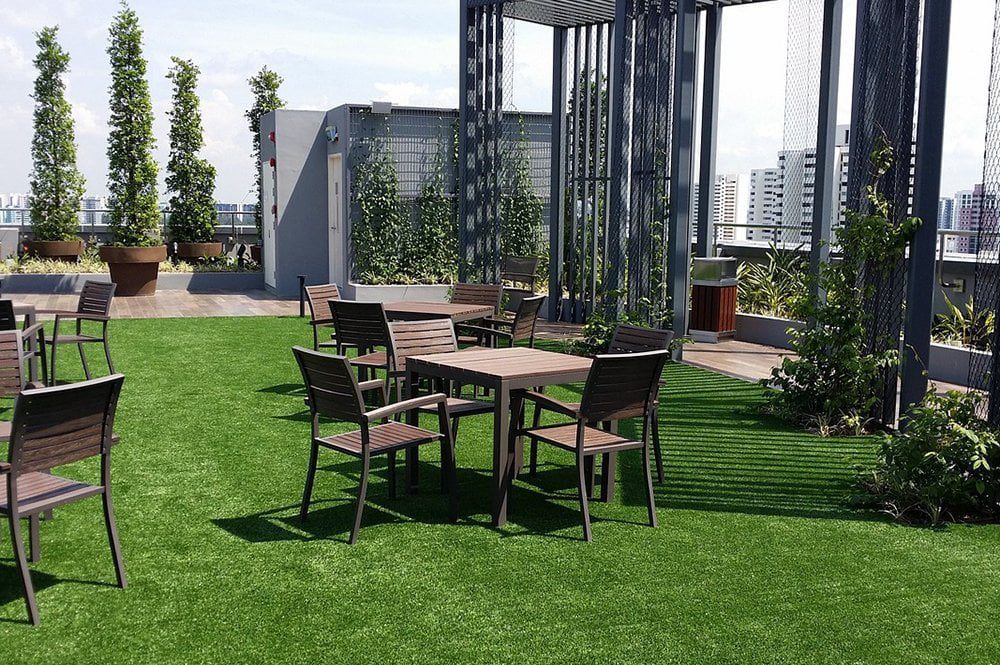
On residential work, landscape architects plan gardens, planting, pools, paving and stormwater management. Beyond that, some specialise in street and highway improvement, others in waterfront schemes or parks, and others again in regional and resource management, feasibility studies, environmental impact assessment or site construction.
Environmental work has grown considerably. Wetland preservation and restoration, reduction of stormwater runoff on new developments, and historic landscape preservation are all now substantial areas of practice.
Designers, not contractors
A persistent misconception is that landscape architects both design and build. They do not.
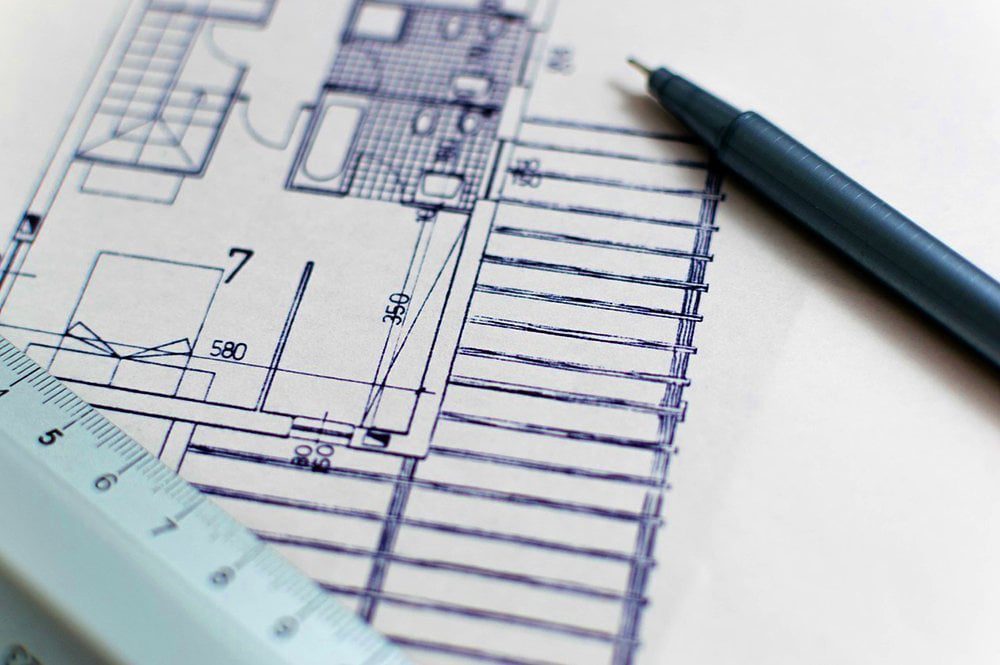
Landscape architects are trained and, in most jurisdictions, licensed to produce buildable design drawings, developed with the client and issued to a contractor. The landscape contractor installs the scheme and carries out maintenance. The two partner closely, since the point of that relationship is ensuring what gets built matches the intent of the design.
The romantic version of the job, spent outdoors among plants, is also mostly wrong. Most of the time goes on drawings, on managing projects, and on meeting clients and coordinating with other consultants. Site visits happen, and nurseries get visited, but pruning, transplanting and mulching belong to somebody else.

Experience comes before appearance
A finished landscape is a snapshot of something designed to change over decades, which is a harder thing to draw than it sounds.
The questions that shape it are about use rather than looks. Should the space feel intimate or expansive. Cool and shaded or open and bright. Is it for quiet, for a family gathering, or for moving through quickly. How people will occupy a space determines how it gets designed, and the good practitioners are more concerned with the experience than with the planting schedule.
The technical half nobody sees
Attractive plans are the visible surface of the work. Underneath sit grading plans, drainage strategy, material specification, finishes and layout dimensions, and a scheme succeeds or fails on those long before anyone notices the planting.
Technical knowledge also has to be maintained. Horticulture moves constantly, with new cultivars developed each year to resist emerging diseases, and practitioners who keep current on that deliver noticeably better outcomes than those working from what they learned at university.
Influences and styles
Practitioners work across a wide range of registers, and what they draw on shapes what they produce.
Asking a prospective landscape architect what inspires them is a more revealing question than asking to see a portfolio. For some the reference is the openness of prairie, or the enclosure of deep woodland. For others it is cultural, drawn from painting or textiles. For others again it is the historic Italian villa garden, or the formal lines of modernism.
Deciding whether a project needs one
Specialisms vary widely, from small urban courtyards to large agricultural estates, so it is worth speaking to several practitioners about a project rather than the first one available. Landscape architects field enquiries of this kind constantly, and an early conversation costs nothing.
Back to the barren ground
A world without landscape and design would not be a world without land. It would be a world of surfaces that function and nothing more. Water would still drain, or fail to. Roads would still connect. Nobody would linger anywhere.
Everything described above eventually meets the ground plane, and that is where the intent either survives or gets lost. Jonite makes the components at that level, reinforced stone grates and tree grates built from roughly 95% natural aggregates with at least 30% recycled content and less than 1% silica, steel-reinforced for load and finished for slip resistance, so that drainage does not interrupt a floor a designer has spent months resolving. Get in touch with our team to discuss a specification, or request samples to see how the material sits against a paving scheme.


