



The American journalist William H. Whyte observed that the surest way to bring a place to life is to put out food. People come for it, and their presence draws more people still.
Urban agriculture is the practice of growing, processing and distributing food within a city. The image it usually calls to mind is outdoors: a back garden, an allotment, a community plot on reclaimed ground. That picture is increasingly incomplete, because a good deal of the most interesting work is happening inside buildings.
The connection between architecture and food runs deeper than restaurant design. Human spatial requirements turn out to be close to those of plants. Daylight, air quality, temperature, water and freedom from pests are as fundamental to a building as they are to a crop, which is why the same discipline that resolves them for people can resolve them for produce. Moving cultivation indoors also relieves pressure on land that would otherwise be farmed intensively.
Agriculture and the urban environment
Modern technology drove agriculture and the city apart. Newer thinking has begun to establish a symbiotic relationship between them instead.
Vertical farming and urban farming both aim to reduce environmental impact and to make cities more resilient by bringing production inside the urban boundary. Doing so changes how urban development is approached, since a city that grows part of its own food has to plan for it, and the architecture involved works as a teaching tool about where food comes from. Agriculture and urbanism are no longer treated as opposites. Their overlap is becoming a driver of how cities grow.
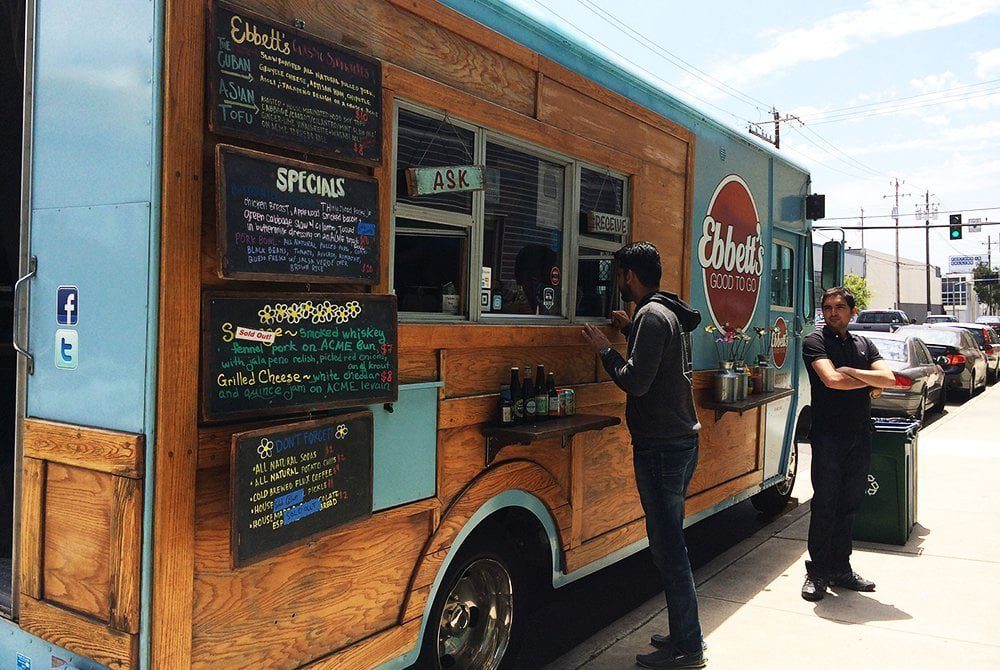
Urban agriculture also makes unusually good use of space that already exists. In New York, a food vendor stands at the corner of almost every plaza and stair, with people clustered around eating, talking or simply standing. Vendors are the caterers of a city's outdoor life, and they thrive because they meet a demand that conventional premises do not.
The same instinct scales up. Community gardens and the Slow Food movement have grown steadily, the latter framed as a deliberate alternative to fast food, concerned with preserving traditional and regional cuisine and with encouraging the cultivation of plants, seeds and livestock native to the local ecosystem.
Vertical farming
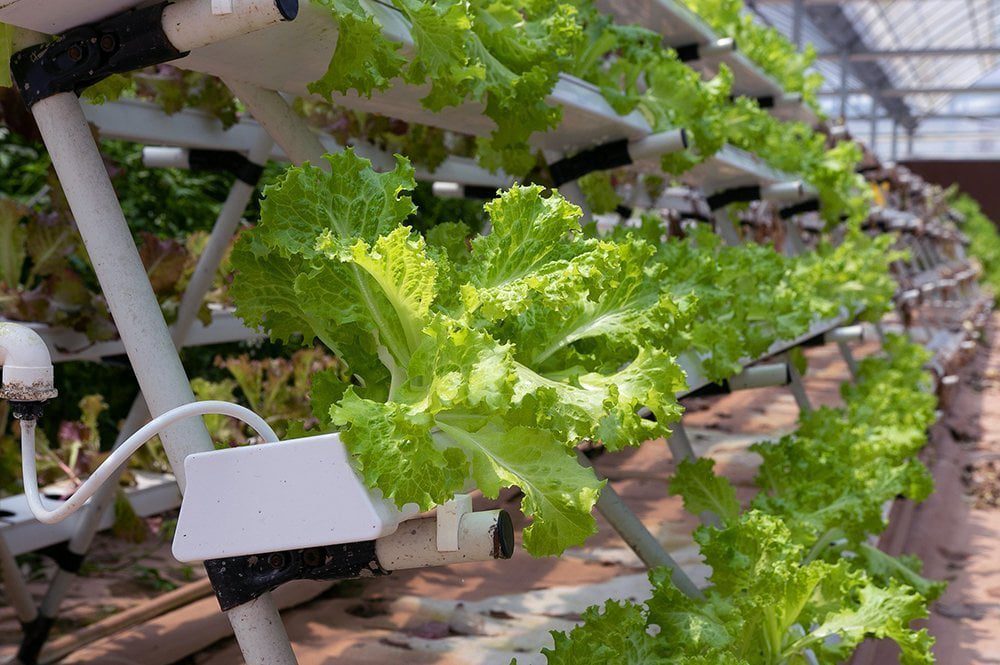
Vertical farming means agriculture in a dense area, serving the population immediately around it. Growing upwards allows a range of crops to be produced while cutting much of the waste and pollution associated with conventional supply chains, and it supports the idea of a city that produces its own resources rather than importing them.
Because so few large vertical farms have been built, the type is still open. That is an opportunity rather than a shortcoming, since it leaves room to define these buildings as something more than production facilities, contributing amenity and public value to the districts that host them alongside the food itself.
The pressures making the case are not going away. Fossil fuels are burned to move food across continents, and ecosystems are cleared to create arable land. Vertical farming and urban agriculture offer a way of working alongside natural processes rather than against them.
Dickson Despommier, emeritus professor of microbiology and public health at Columbia University and the most prominent advocate of vertical farming, has argued that the problem calls for a lasting change in behaviour rather than another technological fix. Urban agriculture is one of the more practical routes to it, reshaping the public realm while making people less dependent on distant supply.
The idea is older than the technology
Urban agriculture draws on recent urban theory, but the conversation is ancient.
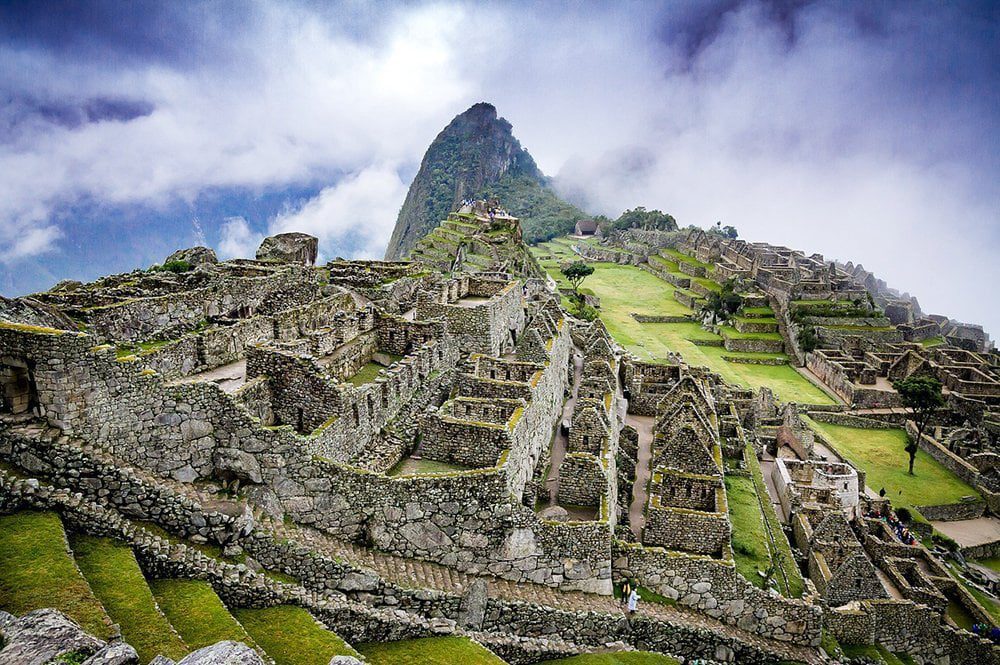
Machu Picchu is the clearest surviving example, where stepped agricultural terraces sit directly against the urban fabric. Inca planning drew no firm line between public space and productive field, and placing cultivation close to the settlement was essential to survival. The need for local food produced a distinctive form of stepped urbanism.
The industrial revolution severed that relationship. New urban industries drew people off the land, cities became overcrowded, and architects and planners were forced to reconsider what a city should be. As settlements expanded, agriculture was pushed steadily beyond the edge.
The Garden City
The British planner Ebenezer Howard set out a response in 1898, published as To-morrow: A Peaceful Path to Real Reform and reissued in 1902 as Garden Cities of To-morrow. The Garden City movement that followed brought public green space to the centre of urban thinking, siting new towns on agricultural land, with six radial boulevards and public gardens at the core.
Howard's objective was health. Generous public space would admit light and air into a city that had precious little of either. Agriculture featured in the theory, but it stayed outside the town itself.
He was specific about the proportion. Five-sixths of the surrounding land was to remain agricultural and productive, supporting the town through dairy farms, fruit farms and allotment gardens close at hand. Agriculture remained essential to the scheme, yet the centre of the theory was the relationship between buildings and open space rather than between the town and its food.
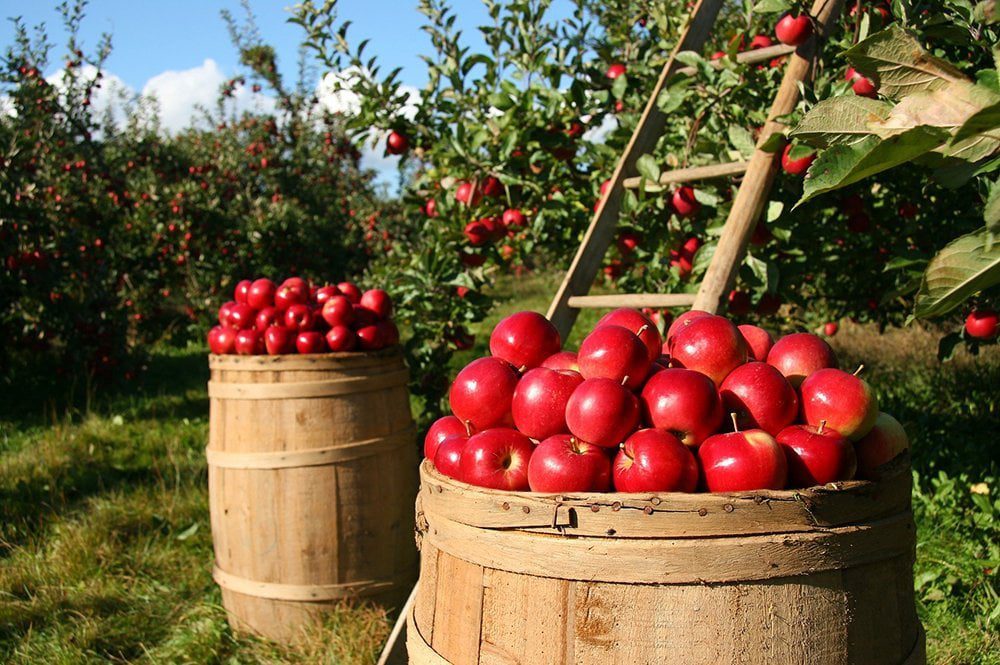
Broadacre City
Frank Lloyd Wright proposed a very different answer. Where Howard pursued public health through public space, Wright wanted to rebuild American settlement around agricultural practice, and Broadacre City was his response to the Garden City.
The scheme moved people out of the overbuilt city and into the countryside, allocating one acre per family, with each acre cultivated and managed by the household living on it and combining manual and industrial work. Factories, schools, markets and offices were planned alongside the family plots to support the population.
The farm is the centre of each Broadacre community, which places the food supply at the heart of the plan rather than at its perimeter. Wright described the result as architecture becoming landscape and landscape taking on the character of architecture through cultivation. The model favoured low density over high, and it never came close to being built. Cities carried on moving away from the farm.
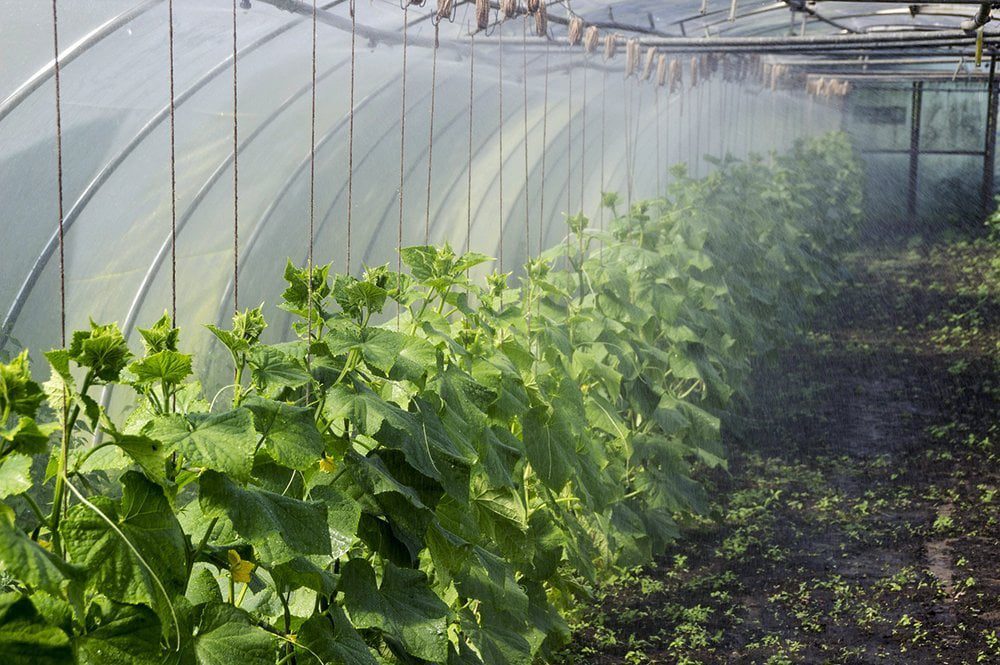
Where things stand now
The separation between agriculture and daily life is greater than it has ever been. Food travels thousands of miles, and industrialisation, zoning and suburban sprawl have pushed cultivation well beyond city limits. Something long embedded in culture has been lost along the way.
Two contemporary theories are attempting to reverse it.
Continuous Productive Urban Landscapes, or CPUL, argues for integrating food production into public space and streets. It builds directly on Howard by giving his green boulevards and gardens a productive programme, so the functions of city and farm are combined rather than divided, and it treats the environmental cost of the food system as part of the design question.
Agrarian Urbanism, developed by the architect and planner Andrés Duany, works within traditional urbanism instead. Duany argues that urban farming can be introduced into New Urbanist settlements through standardised, easily assembled construction, leaving farms as farms while balconies and rooftops are converted to production.
Both are aimed at the same end, which is bringing the productive landscape into the urban context, and both treat agrarianism and urbanism as mutually beneficial rather than mutually exclusive.
What this asks of the ground plane
Bringing food production into a city puts new demands on surfaces that were designed for people and vehicles alone. Irrigation runoff, wash-down water and higher organic loads all have to be managed without flooding the public realm or blocking the system beneath it.
Jonite makes components for that condition. Reinforced stone grates and tree grates are made from roughly 95% natural aggregates with at least 30% recycled content and less than 1% silica, steel-reinforced for load and finished for slip resistance, and available in custom patterns so a drainage line reads as part of a productive street rather than an interruption to it. Get in touch with our team to discuss a specification, or browse the case studies for examples in finished projects.


