



The names that dominate any history of landscape architecture are Frederick Law Olmsted, André Le Nôtre, Capability Brown and William Kent. They have something else in common besides their influence, and it is worth asking whether the profession was always shaped so heavily by men.
The answer is that women were present from the beginning and were systematically kept to its margins. Understanding how that happened, and what these designers achieved regardless, is a more useful history than the one usually told.
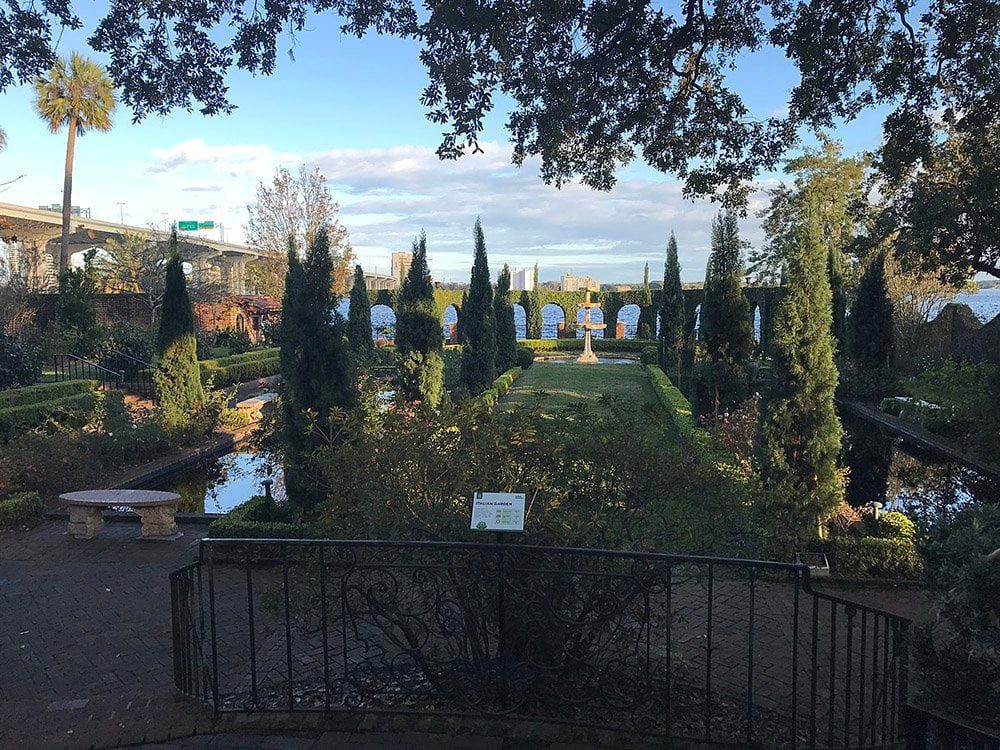
How the profession divided
Before 1930, both men and women worked predominantly on residential commissions. Through the 1920s and 1930s, women in the United States concentrated on domestic landscapes, in large part because nothing else was open to them.
The Great Depression hardened that division. General practice became overwhelmingly male, and landscape architecture was widely characterised as physically demanding work unsuited to women, with particular doubt cast on whether women could survey a site or manage construction. Men moved into areas of outdoor design where women often held the deeper expertise in garden and yard planning.
These women were practising before they had the right to vote, and discrimination was routine rather than exceptional. Even after the Second World War, women were discouraged from planning, designing or building public projects. Beatrix Farrand and Ellen Biddle Shipman both worked at the highest level and both were largely written out of the standard accounts.
Mentorship existed, usually from men, but firm positions rarely followed. A second generation of women therefore did what the first had done and founded their own practices. Numbers stayed small until the 1960s, when a broader push to involve everyone in improving the environment finally opened the profession properly. Women have been central to it since.
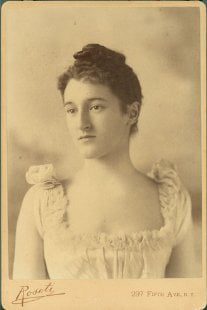
Beatrix Farrand
Beatrix Farrand is the best known American woman in the field, and the only woman among the founding members of the American Society of Landscape Architects in 1899.
She began practising in 1895. Public commissions being closed to her, she worked on residential gardens, and her family's social connections gave her access to clients wealthy enough to build at scale. Within three years she had a reputation for an elegant, considered style.
Her training came from Charles Sprague Sargent, director of the Arnold Arboretum, under whom she studied horticulture and garden design. Across a career ending with her death in 1959 she designed around 110 landscapes, ranging from private estates and country houses to public parks, botanic gardens, university campuses and work at the White House. Relatively few survive intact. Dumbarton Oaks in Washington DC is the great exception, along with her gardens at Princeton and Yale.
What distinguishes the work is how deliberately it was thought through. Farrand designed terraced garden rooms and choreographed movement between them so that people felt secure moving through the space. She studied circulation patterns to determine the ideal proportions of a flight of steps, how many flights a sequence needed and where the landings should fall, and from that developed a working set of rules for stairs. The result is gardens that set the pace of the person walking them.
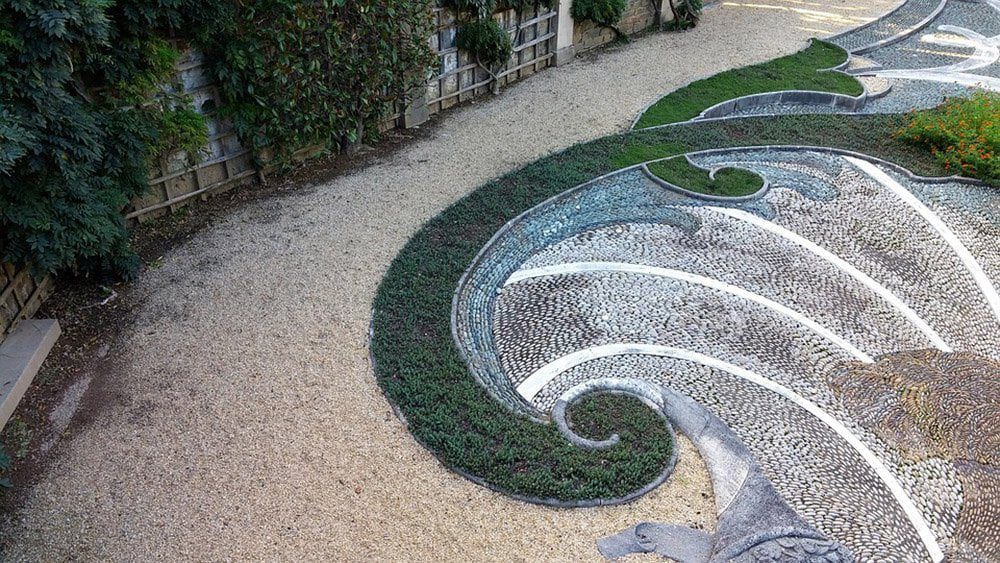
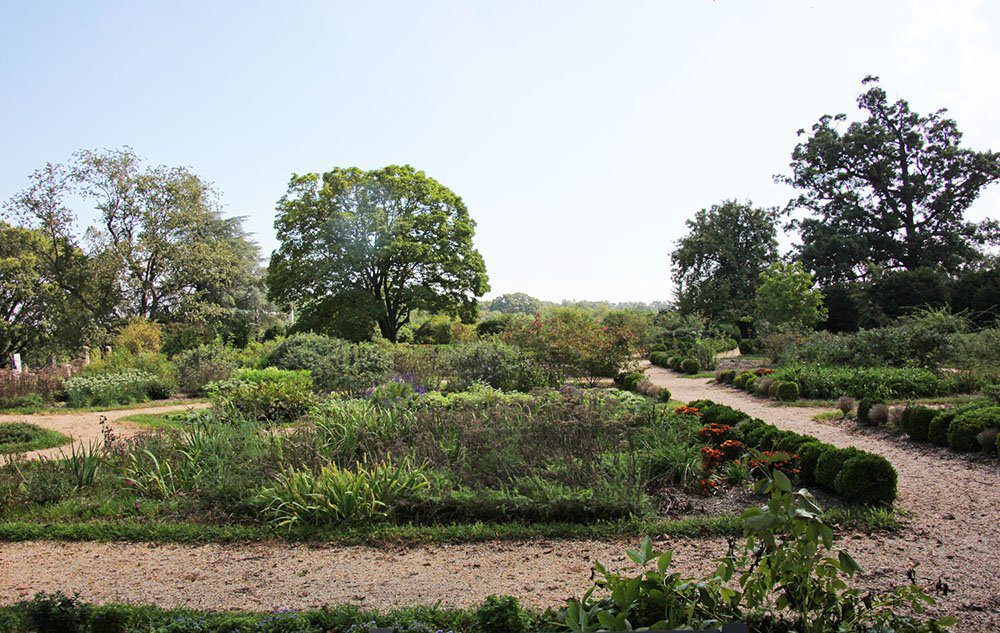
Amy Cogswell
Amy Cogswell was among the first American women to practise landscape architecture professionally, and she designed the Colonial Revival garden at the Webb-Deane-Stevens Museum in Wethersfield, Connecticut.
She trained at the Lowthorpe School of Landscape Architecture, Gardening and Horticulture for Women in Groton, Massachusetts, one of the earliest American institutions to teach the subject to women, and later returned to lead it. During that period she took private commissions and worked alongside the Olmsted Brothers. Her work sits firmly in the Colonial Revival idiom, and the Webb-Deane-Stevens garden remains its best preserved example.
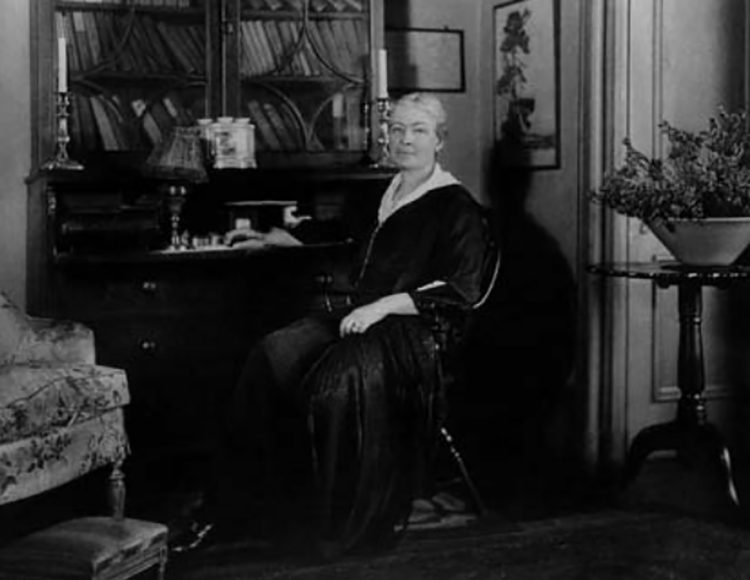
Ellen Biddle Shipman
Shipman argued that before women entered the profession, landscape architects had been producing something closer to cemetery layouts than gardens, a remark that says as much about her confidence as about the state of the field.
She is known for formal structure combined with lush, densely layered planting. She regarded planting as the art of the work rather than its decoration, and used it to soften geometric architecture. Relatively little survives, largely because the planting was labour-intensive to maintain. The Sarah P. Duke Gardens at Duke University are among the best preserved.
Her advice to clients was consistent: treat the layout as a skeleton and keep it as simple as possible, because everything planted afterwards depends on it. Alongside Farrand, she belonged to the first generation of women to establish themselves in the profession.
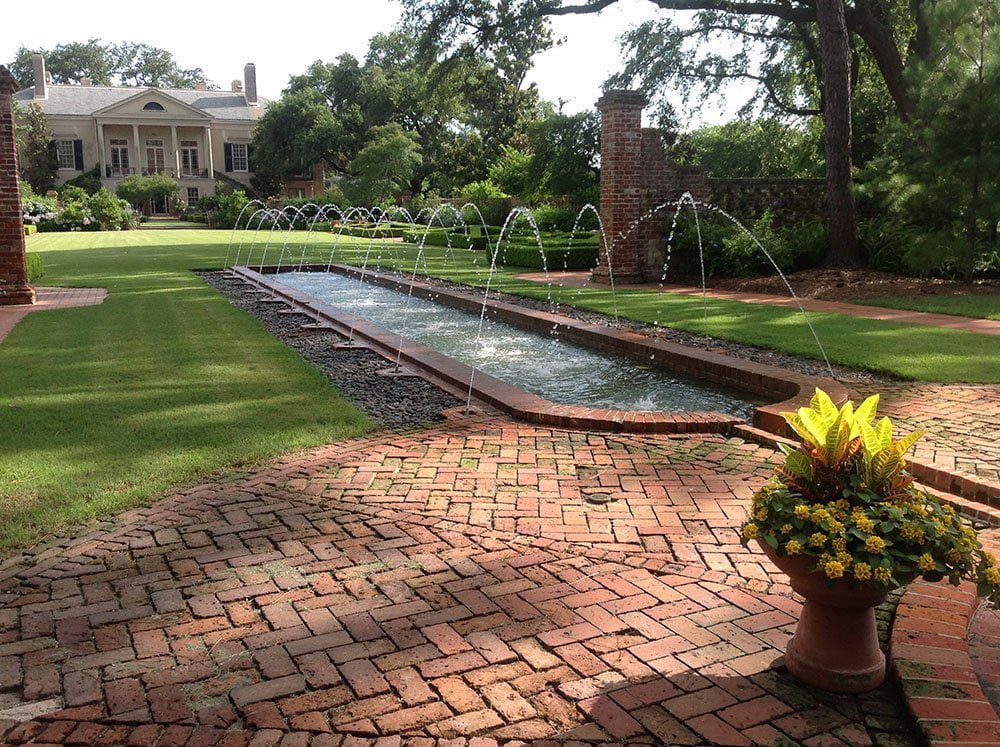
Shipman collaborated widely with architects and built residential gardens across the United States, including Longue Vue in New Orleans, Stan Hywet in Ohio, Bayou Bend in Houston, and the Robert M. Hanes House in Winston-Salem, North Carolina.
Marian Cruger Coffin
Coffin designed gardens for the East Coast elite, reaching those clients through her mother's social connections at a time when introductions mattered more than portfolios.
She received almost no formal schooling and was tutored at home, then enrolled at the Massachusetts Institute of Technology, studying from 1901 to 1904 as one of only four women in architecture and landscape design. No established firm would employ her afterwards, so in 1905 she opened her own practice in New York and began with suburban gardens on Long Island. For a woman of her class, choosing a profession over marriage carried a real social cost, and she chose it deliberately, having no independent income.
By the 1920s she was among the most sought-after landscape architects in the eastern United States, working for the Fricks, the Huttons, the Vanderbilts and the du Ponts. Commissions fell away sharply after the Depression, and she kept working almost to the end of her life, dying in 1957 at the age of eighty.
She completed over 130 commissions. The gardens at Gibraltar in Wilmington, the grounds of Winterthur and the campus layout for the University of Delaware are the most visited. Less celebrated than Farrand or Shipman, she is recognised for a refined and disciplined formality.
Herta Hammerbacher
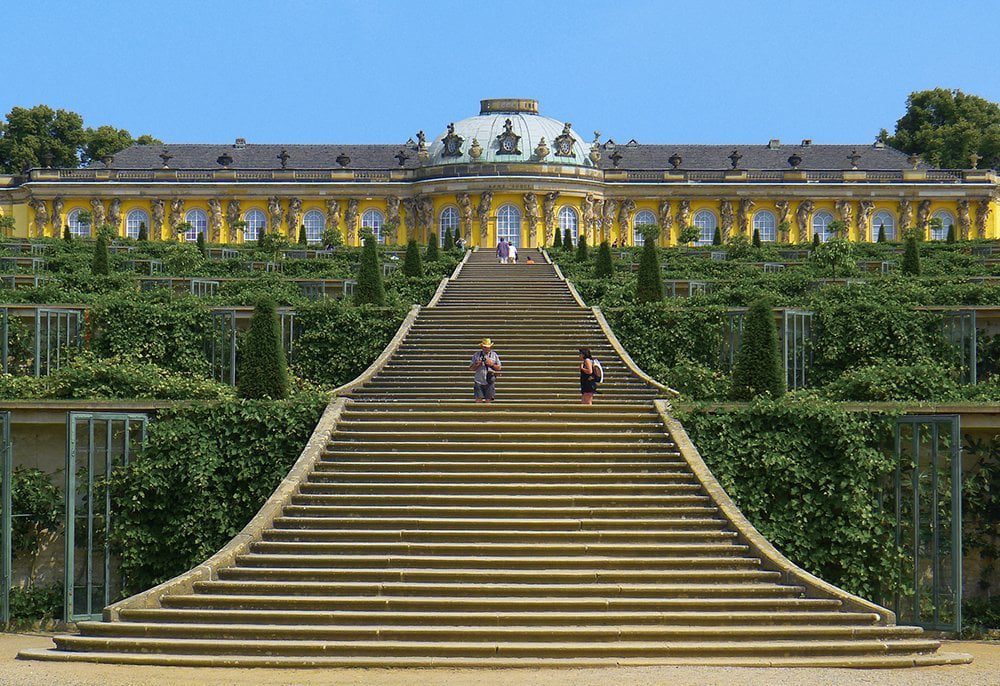
Hammerbacher was born in 1900 and began a horticultural apprenticeship at Burtenbach in Bavaria in 1917, which took her on to the castle gardens of Potsdam-Sanssouci from 1918 to 1919. It was there that she met the plantsman Karl Foerster, whose ideas shaped her thinking and whose circle she later joined.
Working with Foerster and Hermann Mattern from the late 1920s, she helped develop the Bornim style, an approach that treated the garden as a space and planting as the thing that builds it. The partnership produced an enormous body of work and influenced German landscape architecture for decades.
She pushed against the limits placed on women throughout, and in 1950 became the first woman appointed to a professorship at Technische Universität Berlin, teaching there for more than twenty years. Her redesign of the university's own grounds survived the objections of colleagues who wanted the space for car parking.
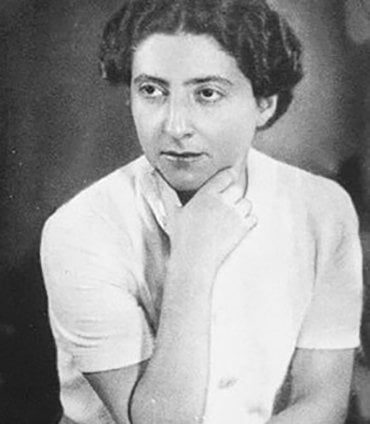
Maria Teresa Parpagliolo Shephard
Parpagliolo grew up in a liberal, intellectual household in Rome, studying art and archaeology at university and developing a parallel interest in plants. That knowledge led to an invitation, through a family friend, to write on gardens and landscape for a newly established architectural journal.
Italy had no training in landscape architecture at the time, so she went abroad to get it. Her languages and her artistic background became the defining features of her later work, which is unusual for how openly it draws on several cultures at once, Hammerbacher's garden design among its references.
At twenty-eight she became an apprentice to Percy Stephen Cane, a decisive point in her career, and a few years later she was teaching at a professional gardeners' training school in Rome. In 1934 she joined the Institute of Landscape Architects as an associate, which brought her into the British landscape design community.
Teaching mattered to her. With Pietro Porcinai she worked towards founding the first school of landscape architecture in Italy. She supported environmental movements in both Britain and Italy, contributed to the revival of horticulture in each, and pioneered research into the Mughal garden. Her range did a great deal to establish landscape architecture as a profession in its own right.
What their work asks of the present
These designers worked in the shadow of male colleagues and still shaped the physical environment substantially. The gardens that survive them are the argument, and each of them depends on the ground plane holding together decades after the designer stopped supervising it.
That is where materials decide whether a design endures. Jonite makes reinforced stone grates and tree grates from roughly 95% natural aggregates with at least 30% recycled content and less than 1% silica, steel-reinforced for load and finished for slip resistance, with custom patterns developed to sit inside a designed landscape rather than interrupt it. Get in touch to discuss a specification, or browse the case studies for examples in restored and heritage settings.


