



A real distance separates the baby boomer and millennial generations, and much of it can be traced to the Great Recession of the late 2000s, which arrived just as the older millennials were entering the workforce. The millennial generation, also known as Generation Y, is generally taken to include people born between the early 1980s and the late 1990s.
Millennials came of age during a period of technological change, globalisation and economic disruption. That upbringing produced a set of behaviours and expectations distinct from their parents'. They marry and move out later than preceding generations, and many hold a markedly different attitude to ownership, one that has come to be described as the sharing economy.

A generation shaped by the digital world
As the first generation to grow up alongside the digital world, millennials share an affinity with technology that runs through everything from how they work to how they live. They tend to take wellness seriously, directing time and money towards exercise and diet, and that active lifestyle influences trends across food, drink and home design.
A new generation of millennial architects is now shaping housing with an open mind and with references drawn from social media, video games and virtual environments. Rather than working from traditional sources alone, they take inspiration from what appears on desktops, phones and tablets, and industry leaders expect them to reshape the profession through self-expression and social awareness.

The sharing economy and what it asks of architects
Millennials grew up through rapid technological, economic and global change, and their expectations differ accordingly. As digital natives, many have no wish to be financially or physically burdened by ownership.
That has driven the rise of the sharing economy, in which music, clothing, housing and cars have all become shared commodities. Money saved that way tends to be redirected towards experience rather than possession, into health, travel, the arts, eating out and time with other people.
For architects, the consequence is direct. If experience carries more value than ownership, the job is to build places and experiences rather than simply to design buildings. That means questioning the status quo, accepting that some attempts will fail, and being prepared to try again.
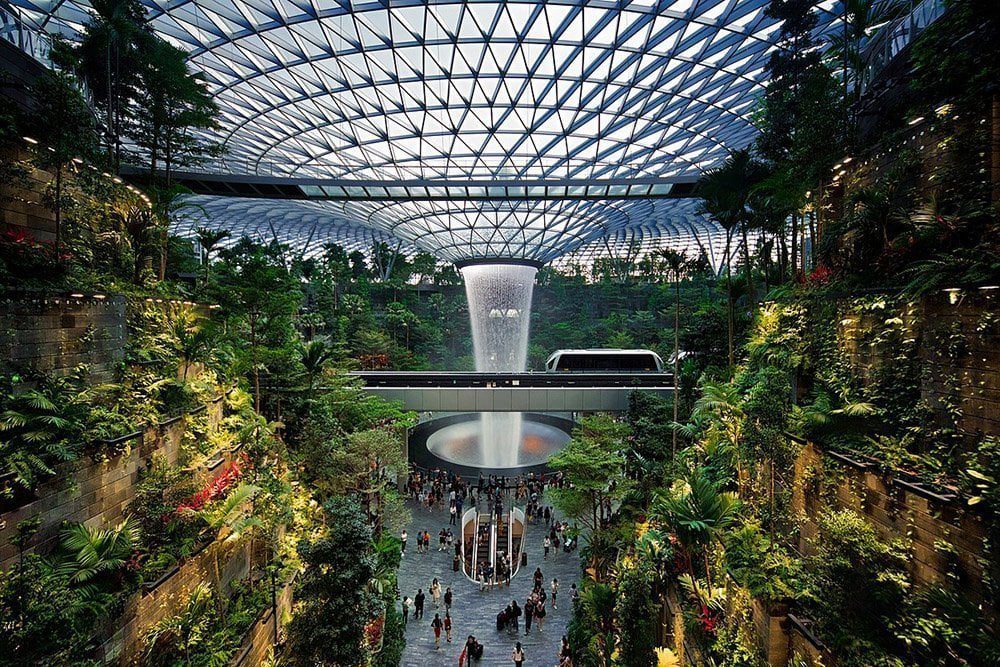
Cities can no longer be built and left to work on their own. They have to be curated, because globalisation, rapid urbanisation and fast-moving technology are changing daily life faster than a masterplan can anticipate. Designing for the human factors inside that change is the central task.
The generational disconnect
Established architects have spent years working diligently towards a craft, and those lessons are not easily handed over. There is often curiosity and some suspicion directed at new architects entering practice, and the disconnect can harden into resentment on both sides.
Most of it comes from uncommunicated expectations, and from two groups going about the same work in different ways, which eventually reads as a clash of core values. The question is what the profession does about it.
What younger architects bring
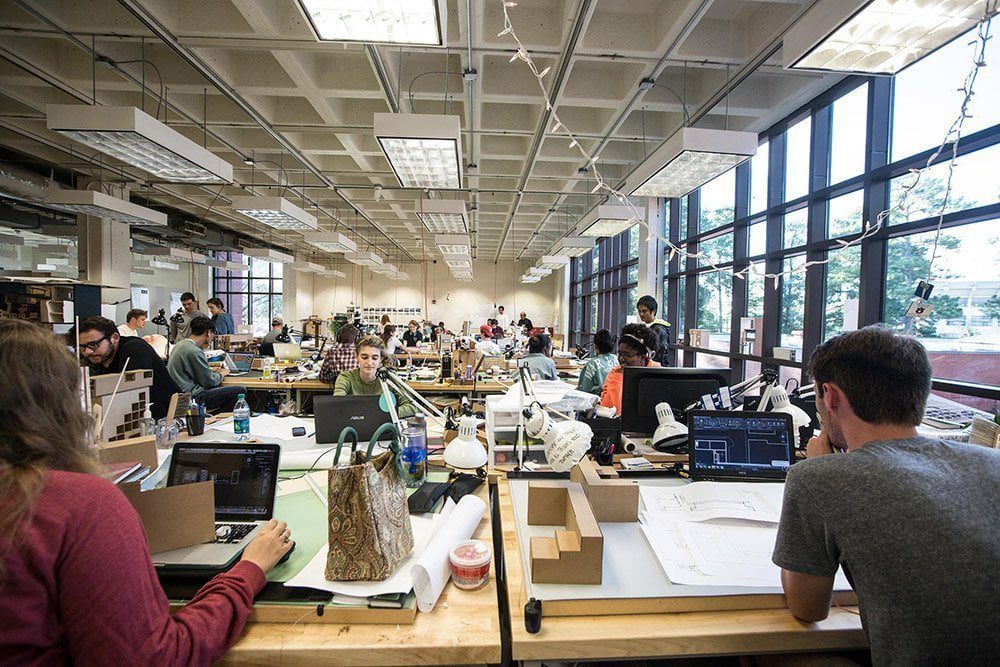
Architecture graduates today arrive with technological knowledge their predecessors did not have, spanning 3D printing and the newest developments in building science and sustainability. Several years of honing digital skills gives them a body of capability that is genuinely difficult to acquire later.
Set against each other, the two groups produce friction. Set alongside each other, the expertise held by millennial architects complements the accumulated experience of the generation above them. Making that work asks both to move past the traditional boundaries of the profession and towards new ways of creating places people value.

Why firms need to get this right
Working with millennials matters commercially, because baby boomers are retiring in significant numbers and millennials already account for a substantial share of the workforce. Architectural practices now compete hard to attract and keep qualified millennial professionals, and understanding what they want is the whole of the strategy.
Pay linked to skill rather than tenure, and faster routes to promotion, both matter. So does leadership development, and so does a sense that the firm's values line up with an employee's own. Where a business fails to deliver those, people leave.
The deeper requirement is meaningful work. Millennials are not inclined to spend eight hours a day on routine tasks they consider to have no social impact, which makes the nature of the work itself a retention strategy. Opportunities to contribute to environmental sustainability projects, low-income housing and disaster relief architecture do more to keep people than most benefits packages.
Attracting them in the first place
Technology has shaped millennial expectations profoundly, and the need for connection reflects how deeply it runs through daily life. The same expectations carry into working life, which means recruitment has to address them directly.
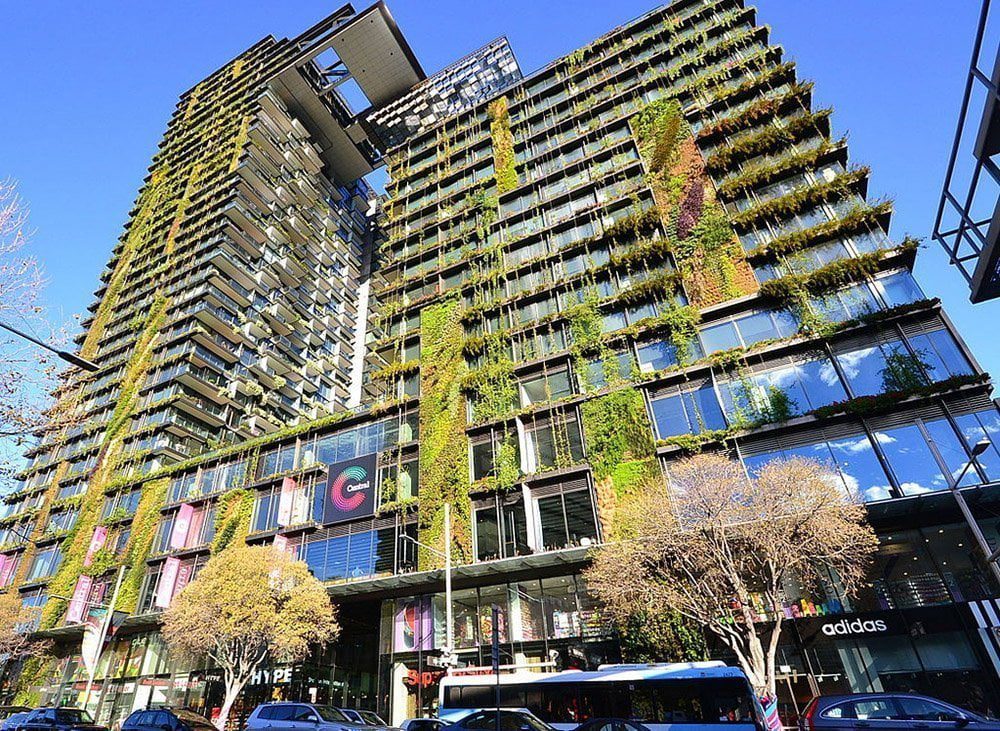
Workplace culture comes first. A culture that reflects the millennial spirit and promotes inclusiveness draws young architects towards a firm, and the brand and reputation of the practice are part of what they are assessing.
Since millennials turn to social networks for information, employers should pay attention to the conversation around their brand. What appears online, alongside marketing, is how a candidate judges whether the firm's values align with theirs before they ever apply.

Technology also has a role in the process itself. Video interviews rather than in-person meetings signal a progressive and flexible practice, and they carry advantages for both sides. Candidates find them convenient and better suited to conveying character than a resume, while firms save time and cost against face-to-face interviewing. The method reflects a modern workforce that values technology, flexibility and collaboration.
Beyond that, a strong pay and benefits package with a visible route to advancement is essential. Where a role looks like a dead end, millennials will either decline it or treat it as a stepping stone to something else.
Changing how the practice runs
Firms should also rethink everything from work schedules to leadership training.
Flexible working is the clearest example, moving away from a fixed nine to five so employees have time for family and community commitments alongside the job. Professional development is another, and it weighs heavily in whether someone accepts a position. Many millennials feel their employers have not done enough to develop their leadership potential, which is among the strongest predictors of whether they stay.
Skill development covers a wide range of activity, including software training, mentoring and collaborative teamwork, and it is what allows younger architects to take on leadership of teams, projects and departments.

Closing the gap
Attracting, hiring and retaining millennials can require a substantial revision of a business model, with every part of talent management reconsidered through a different lens, aimed at building a loyal and inventive workforce.
The disconnect between millennial and baby boomer architects is real, and it narrows considerably once those changes are made. None of it is easy. The transition is already underway, and firms that adjust deliberately will make it more smoothly than those that wait.
For our part, working with architects at every stage of their careers is what Jonite does. Reinforced stone grates and tree grates are made from roughly 95% natural aggregates with at least 30% recycled content and less than 1% silica, steel-reinforced for load and finished for slip resistance, with custom patterns developed alongside the design team rather than selected from a catalogue. Get in touch to discuss a project, or browse the case studies to see how the collaboration works.


